

 View Enquiry List

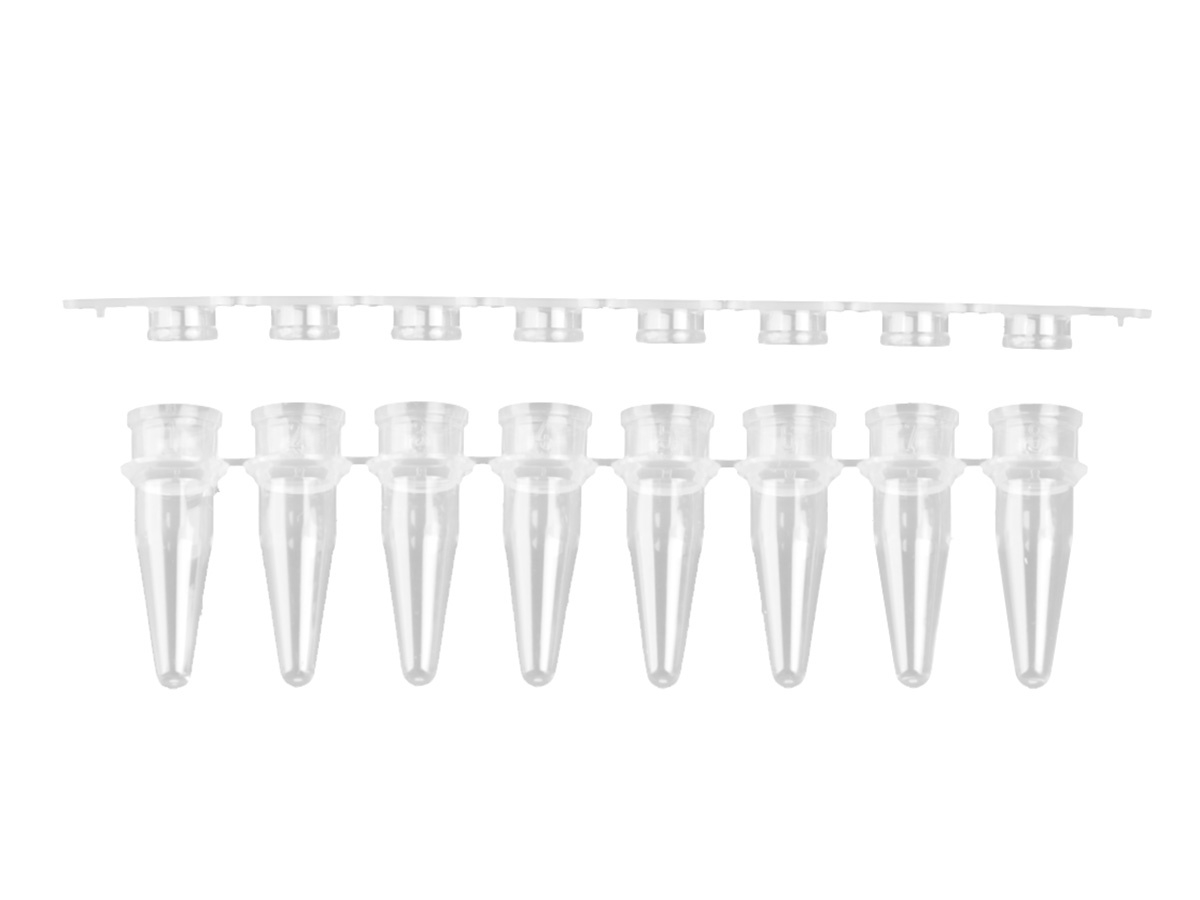

Axygen® PCR-0208-FCP-C 0.2 mL 8-Strip Thin-Wall PCR Tubes with Flat Cap Strips, Clear, Non-Sterile
Axygen® PCR-0208-FCP-C includes clear 0.2 mL thin-wall PCR tube strips with compatible flat cap strips. Supplied non-sterile, this eight-tube format supports efficient thermal transfer, secure reaction sealing, multichannel pipetting, and organized PCR sample preparation.
 Whatsapp
Overview
Axygen® PCR-0208-FCP-C PCR Strip Tubes are designed for efficient preparation and thermal cycling of multiple polymerase chain reaction samples.
Each strip consists of eight connected 0.2 mL tubes, making it convenient to prepare multiple reactions using compatible single-channel or multichannel pipettors. The thin-wall polypropylene construction supports rapid and uniform heat transfer between the thermal cycler and reaction mixture.
Compatible flat cap strips are included to provide secure closure during reaction preparation and thermal cycling. Unlike individually attached caps, the separate cap-strip format allows the tubes and caps to be handled according to the laboratory workflow.
The clear construction enables convenient visual inspection of samples. These PCR tube and cap strips are supplied non-sterile and are suitable for molecular biology, genomics, biotechnology, pharmaceutical research, clinical research, and academic laboratories.
Key Features
- Eight connected PCR tubes per strip
- 0.2 mL nominal capacity per tube
- Includes compatible flat cap strips
- Thin-wall design for efficient thermal transfer
- Clear polypropylene construction
- Suitable for multichannel pipetting
- Supports organized preparation of multiple reactions
- Supplied non-sterile
- Designed for compatible PCR thermal cyclers
Recommended Applications
- Conventional PCR
- DNA amplification
- Complementary DNA amplification
- Genotyping
- Colony PCR
- Molecular biology research
- Genomics workflows
- Biotechnology research
- Pharmaceutical laboratory research
- Clinical and academic research
